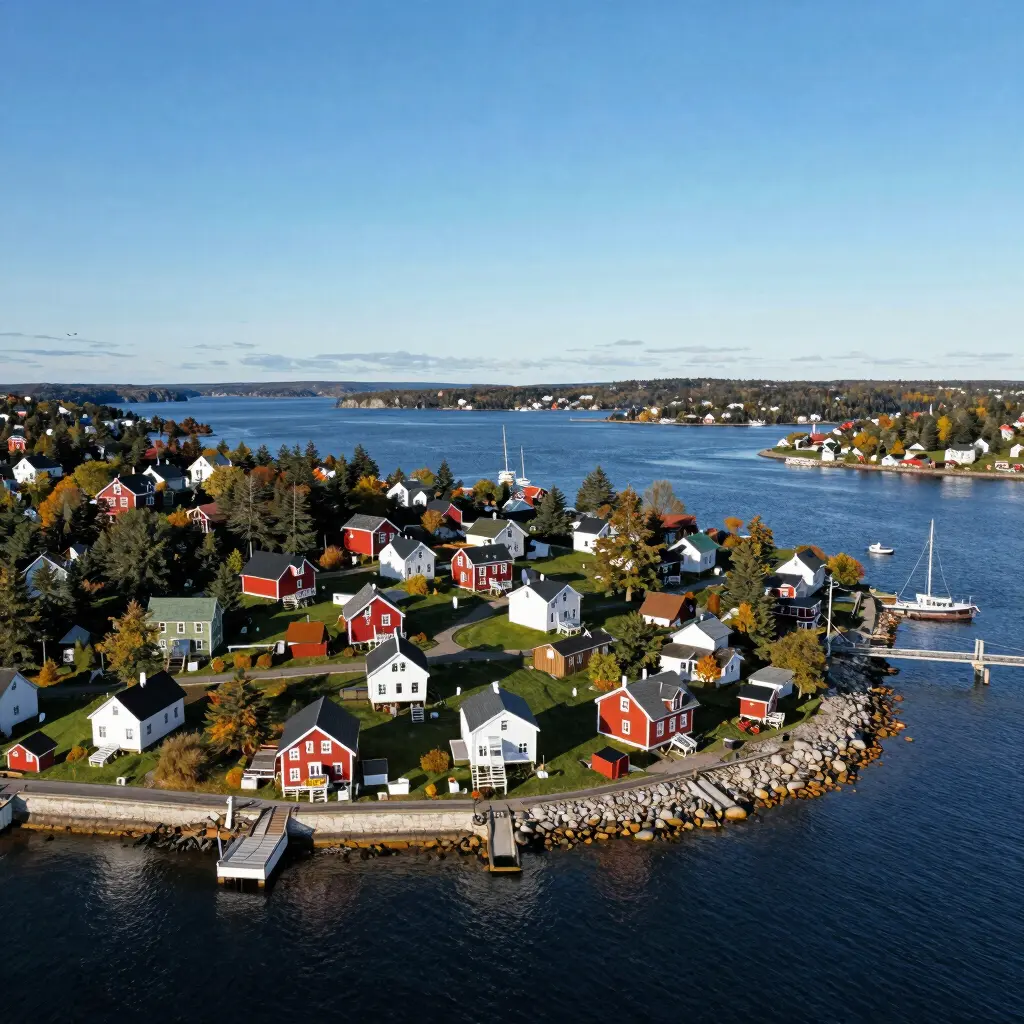
- Compare communities by daily life, not only by property photos.
- Account for commute, services, school needs, and future resale context.
- Use a shortlist that balances lifestyle goals with budget discipline.
Define the life around the home
Relocation decisions become clearer when the search starts with daily routines. Commute, schools, services, transportation, recreation, and community pace should all shape the shortlist.
This is especially important in Nova Scotia, where urban, suburban, rural, and coastal communities can offer very different ownership experiences.
Balance lifestyle and value
A lower purchase price in one area may come with different transportation, maintenance, or service tradeoffs. A higher price in another area may be justified by convenience or long-term fit.
The goal is not to chase one metric. The goal is to understand the whole decision before making an offer.
Build a community shortlist
A practical shortlist usually includes a few priority communities, a few flexible alternatives, and a clear reason why each one belongs.
That structure keeps the search focused while still leaving room for opportunity.
This article is general real estate education. Details should be confirmed against current market information, legal documents, financing advice, and property-specific due diligence.